
Wmo application process for caregivers in Zoetermeer
This is how you apply for Wmo support or short-term respite care in Zoetermeer.
Read article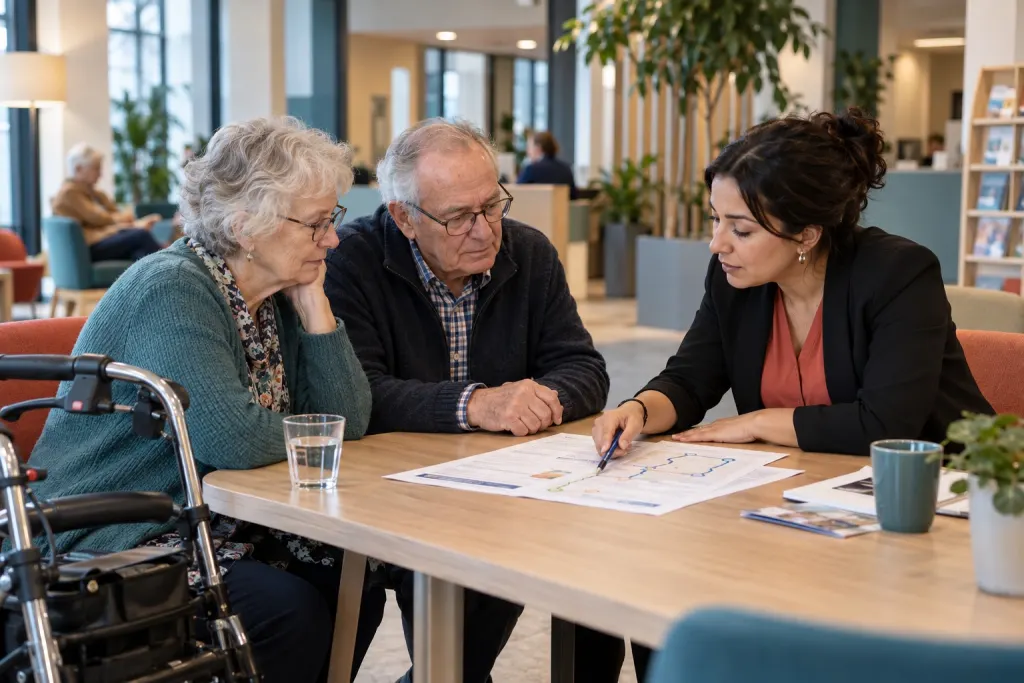
How to show what is really going on during the Wmo conversation.
A kitchen-table conversation about the Wmo is a conversation at home about your help and support. Together, you look at what you can do yourself, what people around you can do, and where extra help is needed. It helps to write down in advance what is difficult in the home, in care, and in daily life, so that you can prepare well for the kitchen-table conversation Wmo.
In the conversation, you can say what does not work in daily life. Also tell what you do want to be able to do. You may be specific about help you are missing, at home or outside the home.
Also mention what help others are already giving. That helps the municipality understand your situation well. You can also submit a personal plan yourself. In it, you set out what help is needed and why. That plan is voluntary. For that plan, a period of one week applies after the report.
You can bring someone to the conversation. That may be, for example, independent client support. Bringing someone can help if you find it difficult to tell everything yourself.
Bring what helps you make clear what is going on. Write down in advance what does not work and with what you receive help. An overview of what you need can also be useful.
Write down which help your loved ones are already giving and how often that is.
Write down together what your caregiver or family helps with. Think about dressing, transport, appointments, supervision, administration, or support with anxiety and uncertainty.
Also note how often that help is needed. Add what happens if you are not there. That gives a clear picture of the municipality's help request.
After the report, the municipality investigates your situation. Therefore, pay close attention to the confirmation of receipt. It often states what the next step is.
Keep the report and your own notes together. That way, you can later review what you said and which help is already in view. If something is not correct, it is useful to report that right away. It also helps to keep your personal plan with you if you have submitted one.
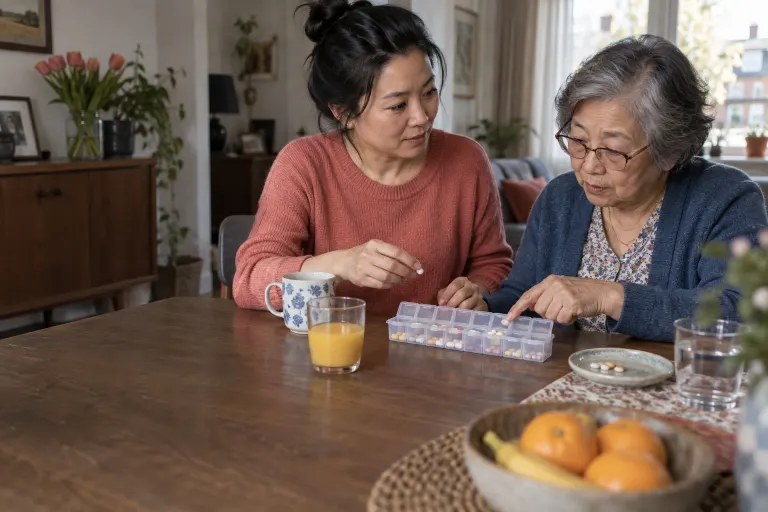
This is how you apply for Wmo support or short-term respite care in Zoetermeer.
Read article
Help choosing the right care law in Zoetermeer, with examples and routes.
Read article
Free help that thinks along with you, can accompany you, and helps you find the right route.
Read article
Caring for someone can raise many questions. Whether it's practical questions, doubts, sharing your worries or simply wanting to tell your story.
Sophie listens and thinks along with you – with understanding for your situation.