
Respite care temporarily handing over the care
A set of questions about types, application, costs, and help in Zoetermeer.
Read article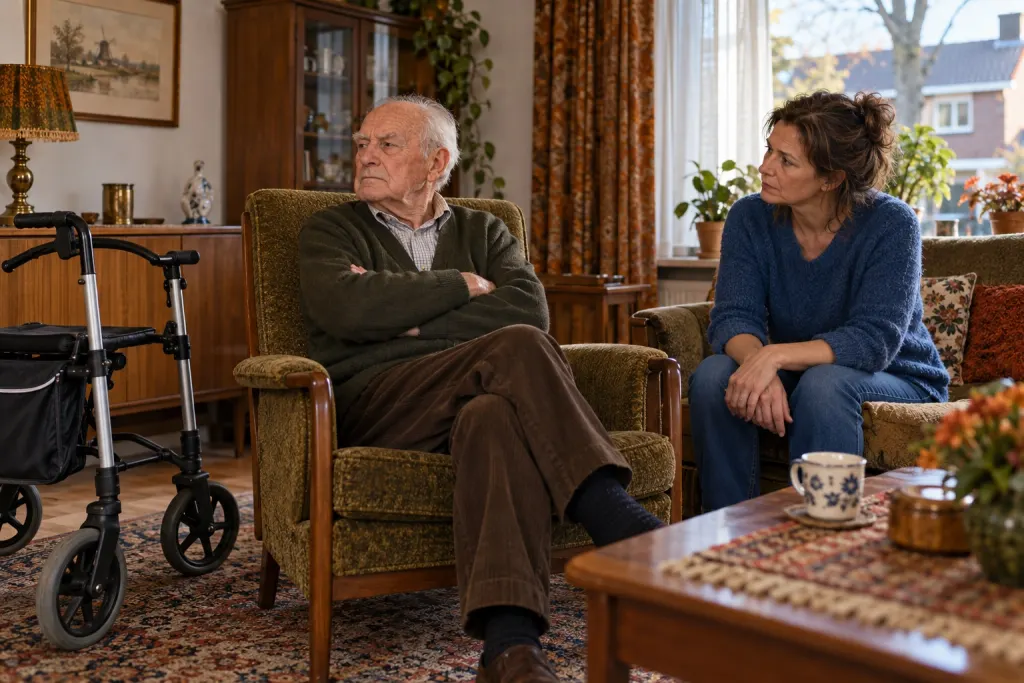
Concrete sentences and steps to calmly protect your boundaries.
Setting boundaries helps you keep caring for longer. Especially if you take on a lot for a loved one. With clear words, you prevent tension from rising and keep yourself from going beyond your limits.
If caring turns into shouting, threats, or violence, the boundary of safe care has been reached. This can also be the case if care falls away or if you grab someone roughly. Then it is time to act immediately.
First choose a calm moment. Not right before, during, or immediately after a meal. Say specifically what you notice and also ask how your loved one is feeling. Stick to what you see, and do not let the conversation be only about food or weight. You can say: “I’m worried when I see that you are eating very little.” Or: “I’d like to know how you really are.” Stay calm if your loved one reacts angrily or defensively. You can start again later. If your loved one is open to help, offer to contact your GP together.
Stick to your own point and do not get drawn into the argument. Calmly say what you mean, without immediately presenting a big solution. A small start often works better, such as a familiar face visiting for a moment or taking over one task. That creates less resistance. Sometimes it helps if someone else starts the conversation, such as a family member, your GP, or independent client support.
Keep it small and concrete. Your loved one may refuse help, and pressure often creates more resistance. If saying no once does not change anything, start again with something small. Think of a fixed time, a short visit, or one task that someone else takes over. At Mantelzorg Zoetermeer, you can discuss how to deal with the refusal and where you can find support yourself.
If there is shouting, threats, rough grabbing, locking someone in, or leaving care undone, you must act immediately. First make sure you and your loved one are safe. In an emergency, call 112. If there is no immediate danger, honestly present the situation to Veilig Thuis, your GP, district nurse, or caregiving support worker. Veilig Thuis can think along anonymously, even if you are afraid of being judged. If your loved one says things like “I can’t take this anymore,” seek professional help together, for example from the GP or 113. In immediate life-threatening danger or an ongoing attempt, call 112.
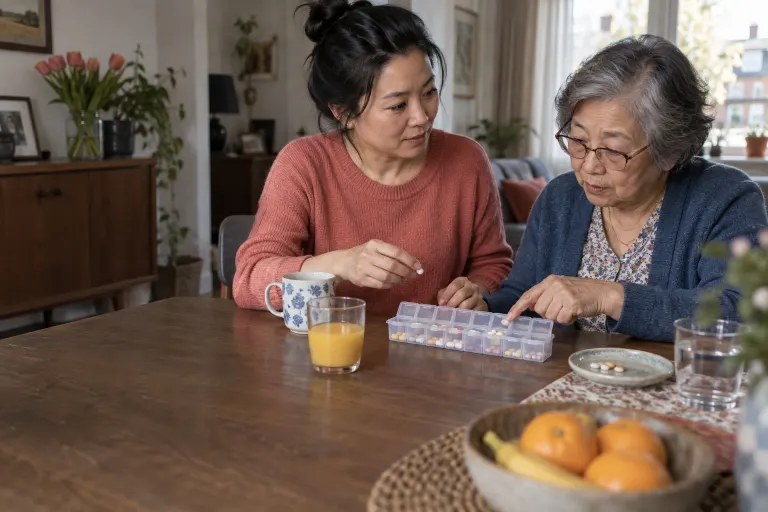
A set of questions about types, application, costs, and help in Zoetermeer.
Read article
An overview of options, reimbursements, and the route in Zoetermeer.
Read article
A plan for warning signs, a brief check, and what you do then.
Read article
Caring for someone can raise many questions. Whether it's practical questions, doubts, sharing your worries or simply wanting to tell your story.
Sophie listens and thinks along with you – with understanding for your situation.