
Applying for a Wmo assistance device: this is how it works
This is how to request an assistance device in Zoetermeer through the Wmo.
Read article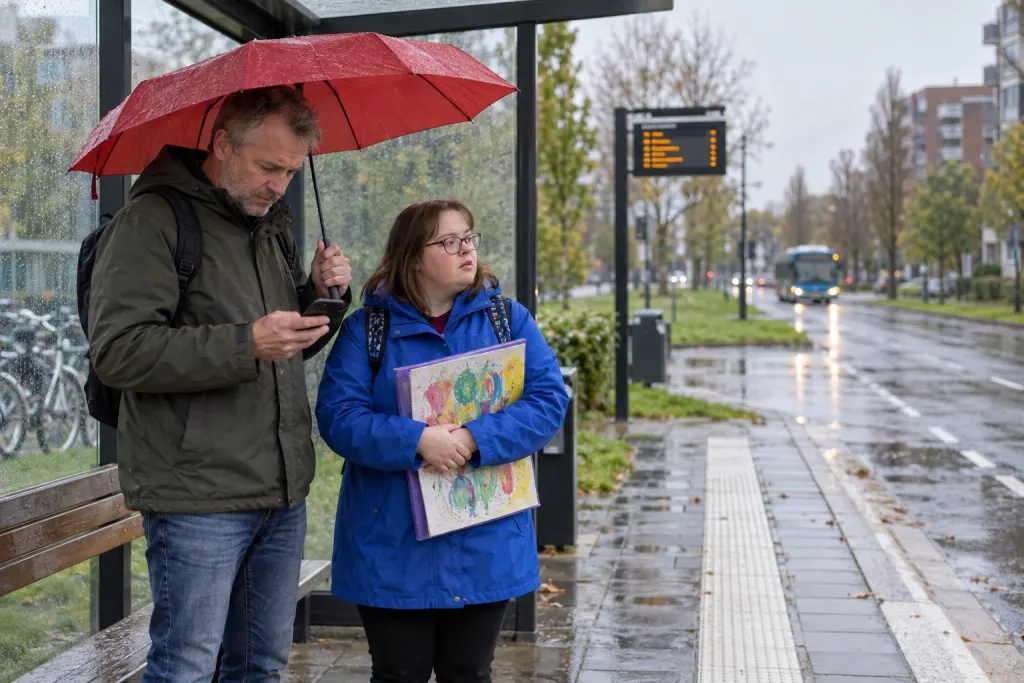
Which ways there are to travel to a hospital or treatment.
If you have to go to the hospital or to a treatment, transport can be a major concern. Sometimes driving yourself or asking someone is possible. If that is not possible, there are also other ways to travel.
In Zoetermeer, there are several ways to get to an appointment. What fits depends on how someone gets around. For trips in the region, there is the Regiotaxi Haaglanden. That is a door-to-door taxi through the Wmo with a discount. For short distances, a scootmobiel can be a solution.
There is also the Elderly Bus of Palet Welzijn. It runs two fixed routes, 65 and 66, through Zoetermeer. This is for residents who have difficulty walking or are 65 years or older. No assessment is needed for this.
Sometimes a volunteer helps. With accompanied transport, a volunteer can travel along, help at departure, and bring you home again. That can be for a care appointment, but also for a social visit.
For transport through the municipality, you submit a Wmo notification with your municipality. The municipality will look together with you at what you need. After that, you receive a decision. For transport through the Wmo, you pay an own contribution via the CAK.
For Regiotaxi Haaglanden and a scootmobiel, the application therefore goes through the Wmo. You do not request it separately from the taxi or the aid. The municipality first looks at the situation and what is needed.
When applying, it is good to pay attention to the costs and availability. With some forms of transport, there may be a waiting list. An application is therefore not automatically a ride or immediate use.
Accompaniment is suitable when traveling alone is not possible. With accompanied transport, a volunteer can help at departure, travel to the destination with you, and bring you home again. That can be useful if someone needs support for an appointment or a visit.
Volunteer help at home can also provide peace of mind. A volunteer can keep you company, go for a walk, play a game, or take on a simple errand. A volunteer does not perform medical procedures.
Volunteer home help starts with an intake about the care need and your wishes. After that, the organization looks for a volunteer and an introduction follows. The support only starts if it feels right for both sides.
For short-term stay and replacement care, first check with the health insurance whether it is reimbursed. That also applies to respite care in this form. If it is not reimbursed, you can then look further to the municipality via the Wmo.
With aids, it also matters what they are needed for. If the aids belong to medical care at home, they go through your health insurer, the Zvw. If it concerns living independently or moving around, you apply to the Wmo desk of your municipality.
Only buy an aid after you have applied for it. If you do so earlier, you may not receive reimbursement. For short-term stay via the Wmo, you pay an own contribution. The amount is listed by the CAK.
If traveling alone is not possible, accompanied transport and volunteer support are two routes. Then someone can go with you, help along the way, or arrange transport home. That often gives more room when an appointment would otherwise ask too much.
If living at home or moving around safely becomes more difficult, a home adaptation can help. Think of a stair lift, a shower chair, or removing thresholds. You request this through the Wmo. Together, it is then looked at what is needed, often with a home visit.
If living at home is no longer feasible, there are other forms, such as assisted or sheltered living. If living closer together is helpful, a family caregiver home can sometimes be an option. The local access point or independent client support helps to list these possibilities.
If you unexpectedly become ill, are admitted, or temporarily cannot provide care, replacement care may be needed quickly. This is called emergency care or acute respite care. Which route is suitable depends on the care your loved one is already receiving.
With a Wlz indication, the care office or care provider can look at extra care at home or a temporary admission. Without a Wlz indication, the municipality is responsible if your loved one cannot remain safely at home without your help. If district nursing is already involved, the district nurse can assess whether extra support is possible.
In direct medical danger, 112 is appropriate. For unexpected unavailability without immediate life-threatening danger, you can contact the Wmo desk of your municipality, district nursing, or the care office.
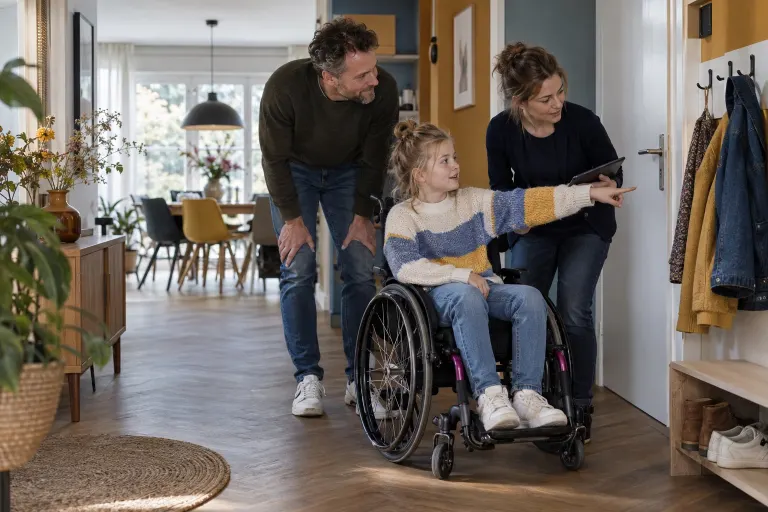
This is how to request an assistance device in Zoetermeer through the Wmo.
Read article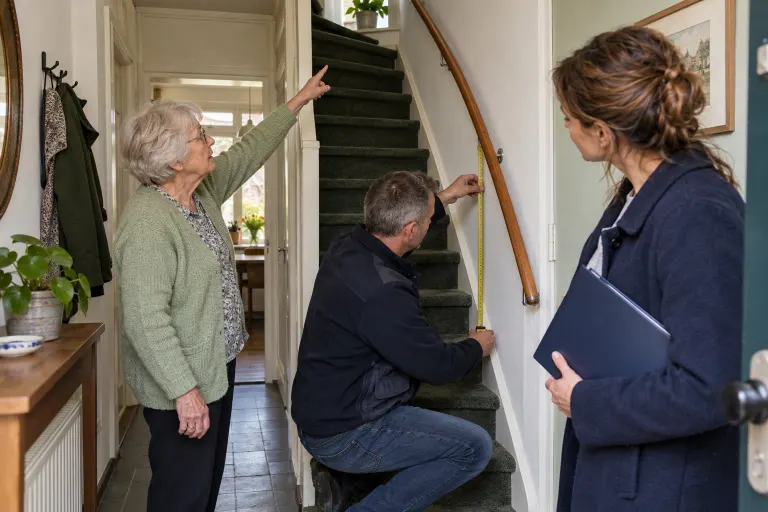
Here’s how to apply for a stairlift, who pays, and what you need to arrange first.
Read article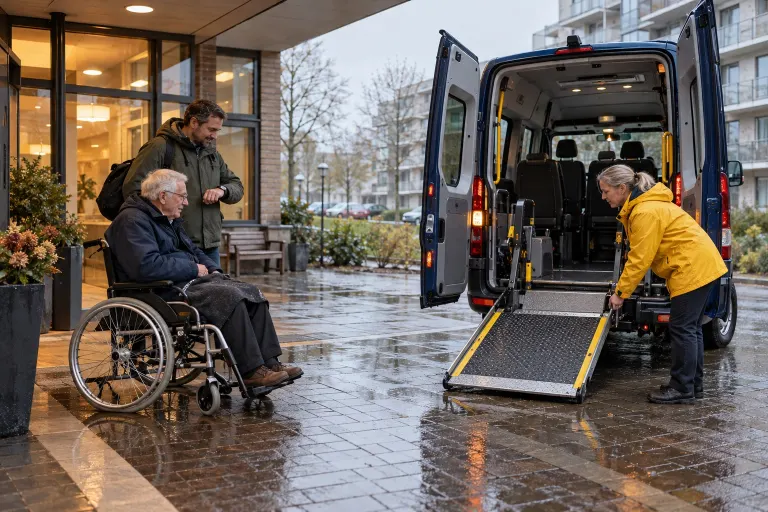
This is how you apply for transport via the Wmo and what alternatives there are.
Read article
Caring for someone can raise many questions. Whether it's practical questions, doubts, sharing your worries or simply wanting to tell your story.
Sophie listens and thinks along with you – with understanding for your situation.