
Applying for a Wmo assistance device: this is how it works
This is how to request an assistance device in Zoetermeer through the Wmo.
Read article
About personal alarms, home automation, privacy, costs, and support for living at home.
Living at home can feel more comfortable with an aid that suits your day. A personal alarm can help if you want to be able to get in touch quickly. Smart aids can also make life at home a little easier. When choosing, you mainly look at what you need in and around the home.
Personal alarm monitoring is an extra safety net at home. Your loved one can contact an emergency response center in an emergency. This is usually done via a button, transmitter, or phone.
It can provide extra reassurance if someone may fall. Or suddenly become unwell. Or get lost outside. It does not replace supervision that is needed continuously. Nor does it replace calling 112 in immediate life-threatening situations. Agree in advance who responds after an alert. Also how that person will get inside. And what happens if you cannot be reached. Reimbursement may come through health insurance, the municipality, or the Wlz. That depends on the reason and situation. Ask the provider and financer about the conditions. Through information about personal alarm monitoring, you can find the national explanation from Regelhulp.
Smart aids can help you live more safely at home or stay in touch. Think of aids to stay safely at home, such as personal alarms, and of aids that you can first look at, try out, and sometimes borrow from the ExpoBieb in Zoetermeer. Bring a concrete daily question with you, for example moving around the home, keeping an overview, or safe contact.
Practical help at home can take a lot of work off your hands. Then not all household tasks end up with the informal caregiver. In Zoetermeer, this can include cleaning help, grocery help, a handyman service, help in the garden, a meal service, or a volunteer for a small task. Personal care and nursing procedures fall under other forms of care.
Some help you arrange yourself. Other help may be available through the Wmo after assessment. For an application or to compare routes, you can ask for help from the Wmo desk of your municipality or independent client support. If you live alone and appreciate a daily contact moment, there is a volunteer phone service in Zoetermeer. Options include being called, recording a message yourself, or taking part in a telephone chain.
Before you buy or apply for something, you can first view or try aids at the ExpoBieb in Zoetermeer. There, residents and informal caregivers can view, try out, and sometimes borrow aids for the home. The range and consultation hours can change. Through a current ExpoBieb consultation hour, the current activity or location can be shown.
Small adjustments in the home can also help. Think of grab bars in the shower, an anti-slip floor, or removing thresholds. For larger home modifications, such as a stair lift or wider doors, always apply first before having anything built. You arrange that with the Wmo desk of your municipality. Sometimes you can borrow or rent aids for a short time through the health insurer or a home care shop. If it concerns long-term use, you submit a Wmo notification to your municipality. Together, it is considered which aid suits your situation.
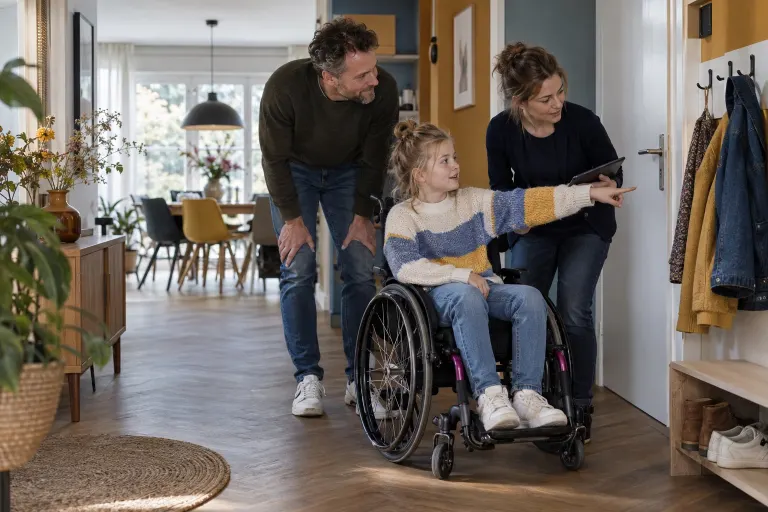
This is how to request an assistance device in Zoetermeer through the Wmo.
Read article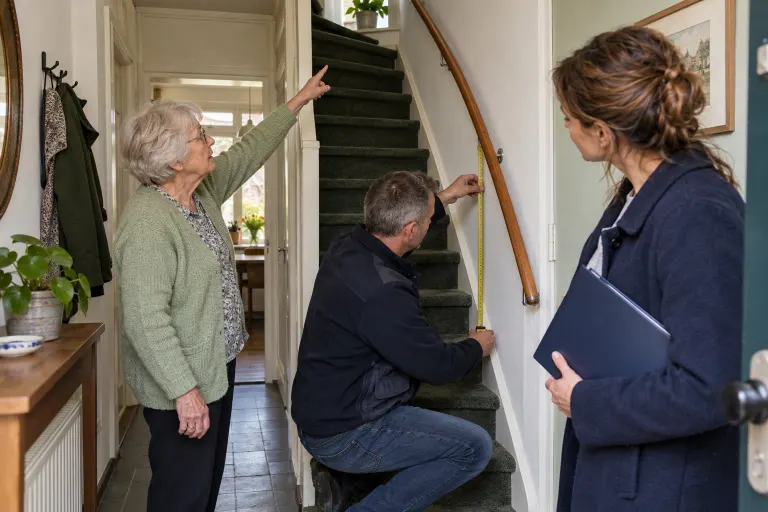
Here’s how to apply for a stairlift, who pays, and what you need to arrange first.
Read article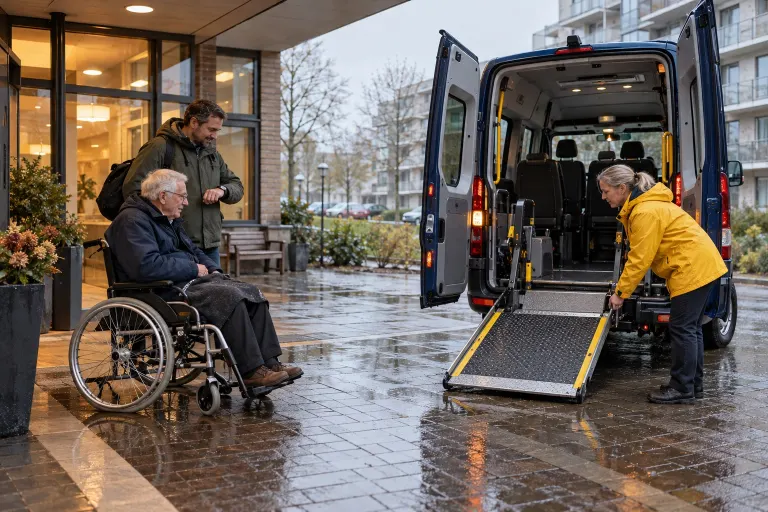
This is how you apply for transport via the Wmo and what alternatives there are.
Read article
Caring for someone can raise many questions. Whether it's practical questions, doubts, sharing your worries or simply wanting to tell your story.
Sophie listens and thinks along with you – with understanding for your situation.