
Helping Someone Out of Bed Without Straining Your Back
Practical basics, aids, training, and when to ask for help in time.
Read article
What you need to arrange for washing, dressing, and toilet assistance at home.
Personal care at home often requires peace, time, and good agreements. Small things, such as a fixed routine for washing or dressing, can make a big difference. It also helps when using the toilet if supplies are kept nearby and the walking route is clear.
Some assistance you may provide as an informal caregiver. But you do need to be able to do it safely. With washing, dressing, and toilet assistance for older adults, it often involves ordinary care at home, but sometimes also actions that require clear instruction.
Some care is 'restricted,' such as giving injections, administering insulin, or providing tube feeding.
As a parent, family member, or informal caregiver, you may perform such actions. The condition is that you have enough knowledge and skill. Never do it just like that. First, have the nurse or doctor explain it properly and show you how. Practice together if necessary. Keep asking questions until you feel confident.
Are you unsure, or is it becoming too much for you? Then you do not have to do it. Discuss it with the district nurse or your GP. Together, you will look for a solution. You do not have to automatically take over nursing or technical care.
An aid can make daily life easier. That also applies to personal care. Think of staying safely at home, or personal alarm systems. For longer-term use, you apply for it through the Wmo.
Then make a Wmo report to your municipality. Together, it will be assessed which aid suits your situation. Sometimes you pay a personal contribution through the CAK. For short-term use, you can often borrow or rent something through the health insurer or a home care shop.
When lifting and moving, a slide sheet, turntable, adjustable bed, or hoist can also help. Proper use does require instruction. A district nurse, physiotherapist, or occupational therapist can take a look.
Practical help at home can help if all tasks end up with you. There may be cleaning help, grocery assistance, a handyman service, garden help, a meal service, or a volunteer for a small task. Personal care and nursing procedures fall under other forms of care.
With guidance in daily life, some of the pressure can also be taken away. A support worker then helps with everyday things, such as structure or daily activities. In Zoetermeer, you register for this at the local access point. For some forms of support, you pay a personal contribution, and the amount is set by the CAK.
When applying, specify which situations at home are going wrong. Include which skill you want to practice. That helps the Wmo desk of your municipality or independent client support to find the right route.
If your loved one has a disability or mental health vulnerability, individual support may help. In Zoetermeer, you can also turn to independent client support free of charge for this. They help you with the right care and with an application.
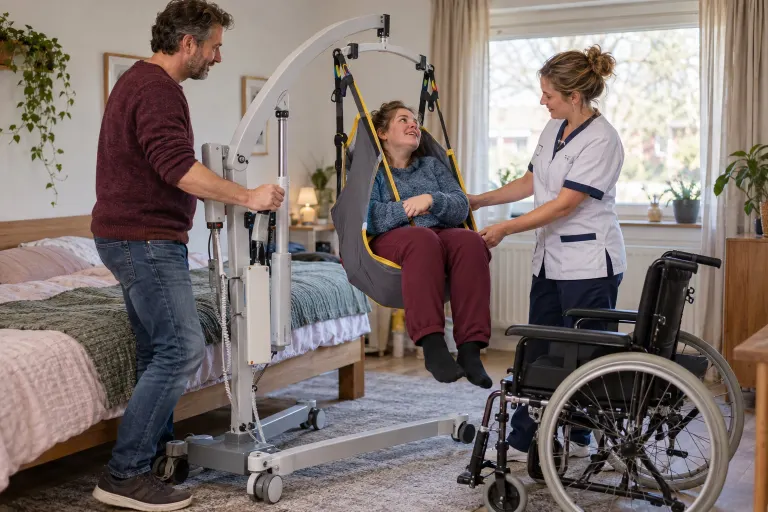
Practical basics, aids, training, and when to ask for help in time.
Read article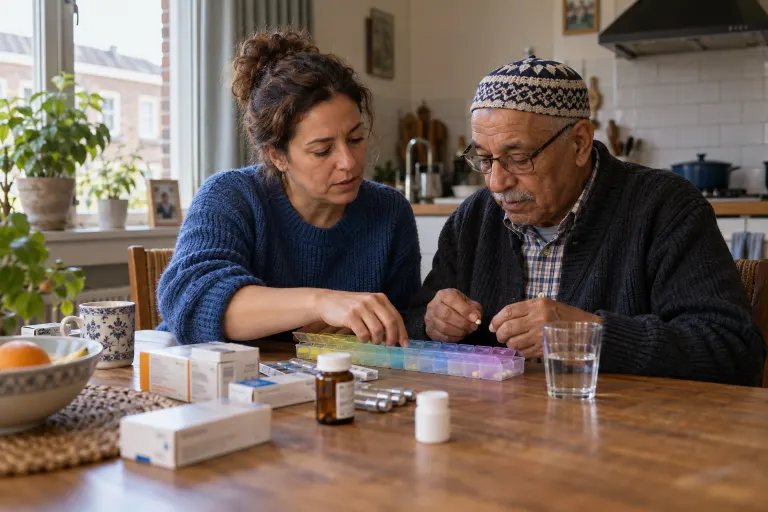
A plan for lists, pharmacy, pill packs, reminders, side effects, and mistakes.
Read article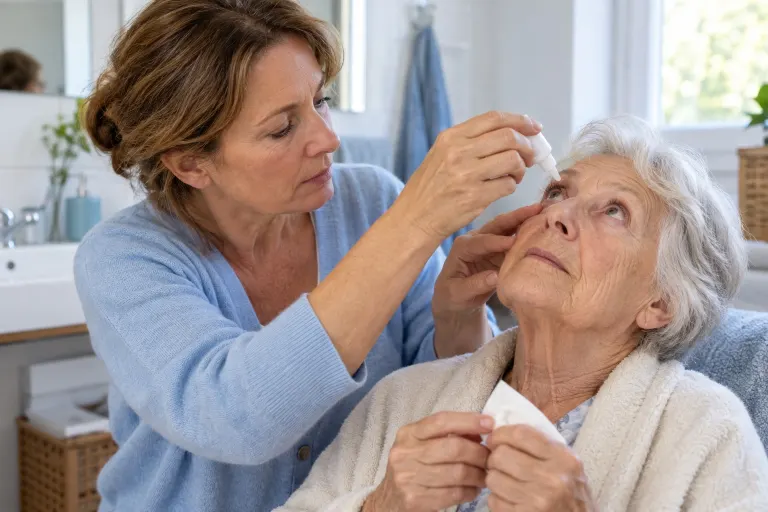
How to safely administer eye drops and when to ask for instructions or help.
Read article
Caring for someone can raise many questions. Whether it's practical questions, doubts, sharing your worries or simply wanting to tell your story.
Sophie listens and thinks along with you – with understanding for your situation.