
When am I a caregiver?
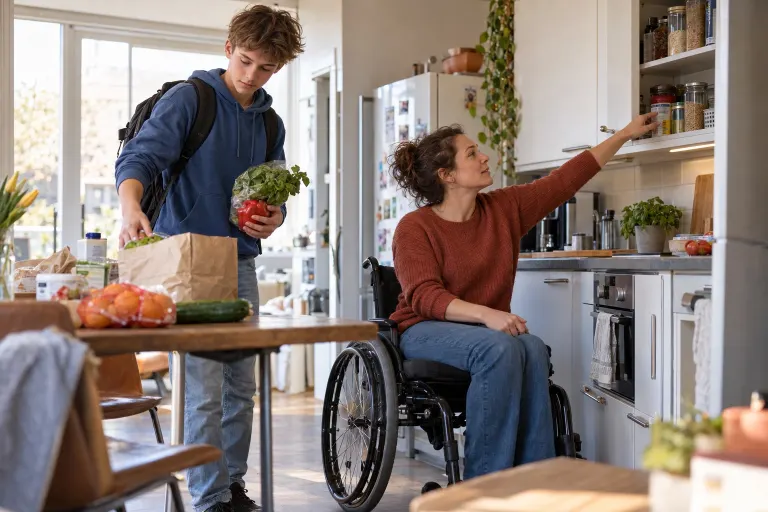
Explains what caregiving is, what usual help is, and when you may ask for help.
Read article
An initial overview of the case manager, day activities, support, and what changes.
Caring for someone with dementia often takes a lot out of you. Both of your lives change step by step. Small things sometimes become more difficult, at home or elsewhere.
Dementia often changes things step by step. Someone forgets more, loses track of things faster, or needs more help. Safety, daily activities, and future care then also come into view sooner.
Start with the general practitioner. That is the first step if you are worried about memory problems, or if you wonder whether it is dementia. The general practitioner looks at what is going on and refers you to a specialist if necessary.
If a specialist makes the diagnosis, the Steunpunt Dementie Zoetermeer can further guide you with a case manager. If there is not yet a diagnosis, the general practitioner remains the first step. You can also call for information, but you will only get guidance from a case manager after a diagnosis and a referral through the general practitioner or geriatrician.
In Zoetermeer there are community centers where people with dementia receive activities and support. Think of movement, creativity, structure, and social contact. Caregivers can also find information, advice, and contact there.
In the community centers Susannegang and Buytenthuis, there are day activities with tailored support, in small groups of up to 10 people. While your loved one is there, you have some time for yourself. A dementia case manager can help think about what fits.
Do not wait until a crisis moment. Questions about behavior, daily activities, safety, or future care can be discussed earlier.
As a caregiver, you can take a dementia course through the local access desk. There you will receive information, tools, and tips. In Zoetermeer, inZet also offers the course Dementia and Now for Caregivers.
There are also discussion groups for different stages of dementia. There is also a partner discussion group if you care for your partner. In addition, there is a monthly caregiver café, where you can meet other caregivers.
Zoetermeerwijzer helps you look for advice, practical help, respite care, activities, and organizations. If you want help choosing, you can discuss the result with a caregiver coordinator in Zoetermeer or independent client support.
If the care becomes too much, it is good to share the burden and ask for help early. You can write down in time what you help with, such as dressing, transport, appointments, supervision, administration, or support with fear and uncertainty. It also helps to note how often this is needed and what happens when you are not there.
With that overview, you can go to your general practitioner, practitioner, or independent client support. They can look at what help is already possible now. Support may already be available, even without a definitive diagnosis. For medical questions or examinations, go to a doctor.
Explains what caregiving is, what usual help is, and when you may ask for help.
Read article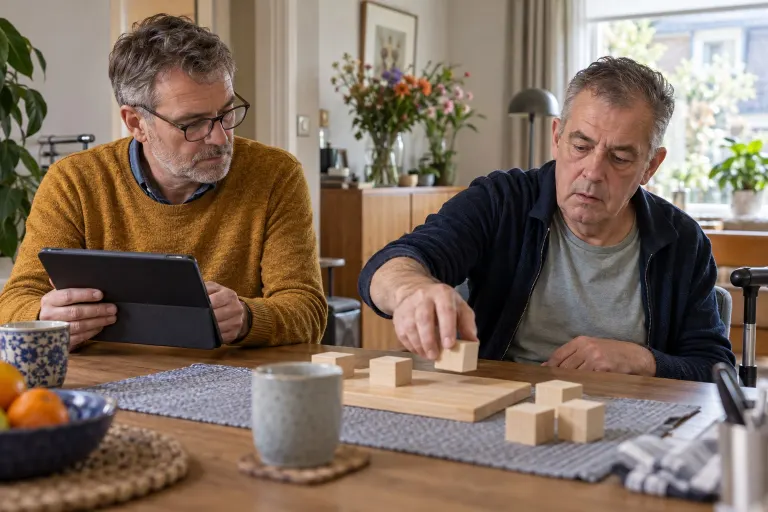
What to arrange at home after a stroke, with attention to recovery, safety, and support.
Read article
Practical and emotional support for caregivers around cancer and the final phase of life.
Read article
Caring for someone can raise many questions. Whether it's practical questions, doubts, sharing your worries or simply wanting to tell your story.
Sophie listens and thinks along with you – with understanding for your situation.