
When am I a caregiver?
Explains what caregiving is, what usual help is, and when you may ask for help.
Read article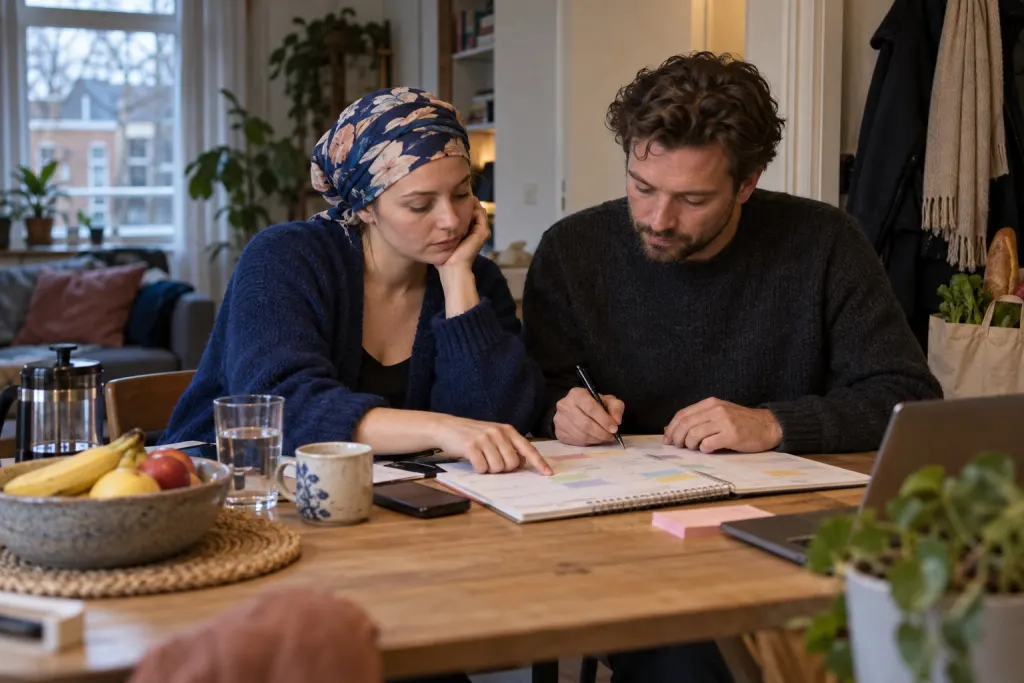
Practical and emotional support for caregivers around cancer and the final phase of life.
Caring for someone with cancer asks a lot of you. You often arrange practical matters and also try to be there emotionally. That can feel heavy, especially when it lasts a long time.
Caring for someone with cancer asks a lot of you. It helps not to carry tasks alone. Ask in time who can help and what that person can do.
Fatigue can last a long time. Especially if you are doing a lot of caring, it is easy to lose sight of your own boundaries. Watch for persistent tiredness, poor sleep, feeling down, or the feeling that you are on your own.
Share the care with others. Ask in time for substitute care, so that you can catch your breath. Discuss with Mantelzorg Zoetermeer what your boundaries are and what support is possible.
Caring sometimes also gives something back. You may feel connected, proud, or draw strength from small moments together. At the same time, tension, exhaustion, and appreciation can exist side by side.
Talk about it if it becomes too much or if the sense of meaning disappears. At Mantelzorg Zoetermeer, you can talk about this. A spiritual counselor can also help if the care is heavier than you expected.
In the final phase of life, care at home can often continue. This can be with palliative home care, or in Hospice Zoetermeer. A hospice is a warm, homely place. There is attention for the body, but also for feelings, contact, and meaning.
Volunteers can be present at home and give emotional support. Sometimes they keep watch for a few hours, so that you can rest. They work alongside family and professional palliative care. They do not take over medical treatment. Ask in time what voluntary palliative support is available and how quickly it can start. Coordinate this with the general practitioner or district nursing if professional care at home is also needed.
After the death, you may pause to reflect on your grief. Grief does not have a fixed pace. You can share your story in a peer support group or with a grief counselor.
In Zoetermeer, Mantelzorg Zoetermeer can point you to the possibilities. The local access desk can also help with this. There is support for you, especially also after the death.

Explains what caregiving is, what usual help is, and when you may ask for help.
Read article
An initial overview of the case manager, day activities, support, and what changes.
Read article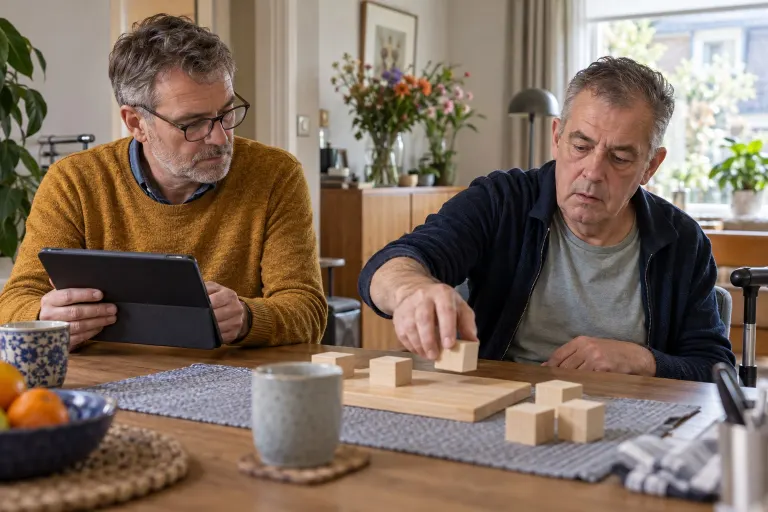
What to arrange at home after a stroke, with attention to recovery, safety, and support.
Read article
Caring for someone can raise many questions. Whether it's practical questions, doubts, sharing your worries or simply wanting to tell your story.
Sophie listens and thinks along with you – with understanding for your situation.