
Wmo application process for caregivers in Zoetermeer
This is how you apply for Wmo support or short-term respite care in Zoetermeer.
Read article
An initial route via the GP, municipality, local support, and Sophie.
Caring for your parent can involve a lot at once. You may be arranging more than you can handle. A first step is to look at what is most urgent right now.
If you do not know where to start, that is not a problem. Start with the local access desk or Mantelzorg Zoetermeer. They will help guide you to the right place.
Asking for help is always allowed. You do not first have to feel ‘bad enough’. Asking for support early can help you keep going for longer.
If you are concerned about memory or think it may be dementia, start with the GP. You can simply contact your own GP. They will look at what is going on and refer you to a specialist if needed.
You also go to a doctor for medical questions or examinations. If you are unsure about suitable care or are becoming overloaded, discuss this with your GP. For support as an informal caregiver, you can contact Mantelzorg Zoetermeer.
For social support, start with the municipality. The first step is to make a report to the Wmo desk of your municipality, in the municipality where the person requesting support is registered.
After that, the municipality investigates the situation. During the conversation, you can explain what is not working, what you want to be able to do, and what help relatives are already providing. You may bring someone with you, for example independent client support.
If your loved one does not want help, Mantelzorg Zoetermeer can help you look at how to deal with that. Even if you are caring without a clear diagnosis, you can ask them for support.
Then write down what you help with. Think of dressing, transport, appointments, supervision, administration, or support with fear and uncertainty. Also note how often this is needed and what happens if you are not there.
In case of immediate danger, 112 is appropriate. This also applies if caring turns into shouting, threatening, grabbing someone forcefully, locking them in, or withholding care.
For serious but non-acute concerns about a resident of Zoetermeer, Meldpunt Bezorgd Zoetermeer can make an assessment. In case of immediate unsafety, you can also have Veilig Thuis, your GP, district nurse, or informal care support worker take a look safely.
First make clear what help is needed. Then look for the right route: for social support, the municipality; for nursing and care at home, the district nurse; and for ongoing intensive Wlz care, the CIZ.
After that, it will be put on paper which care is granted. Then you can see whether care in kind or a personal budget (pgb) is a good fit. If you get stuck, you can also consult with Mantelzorg Zoetermeer.
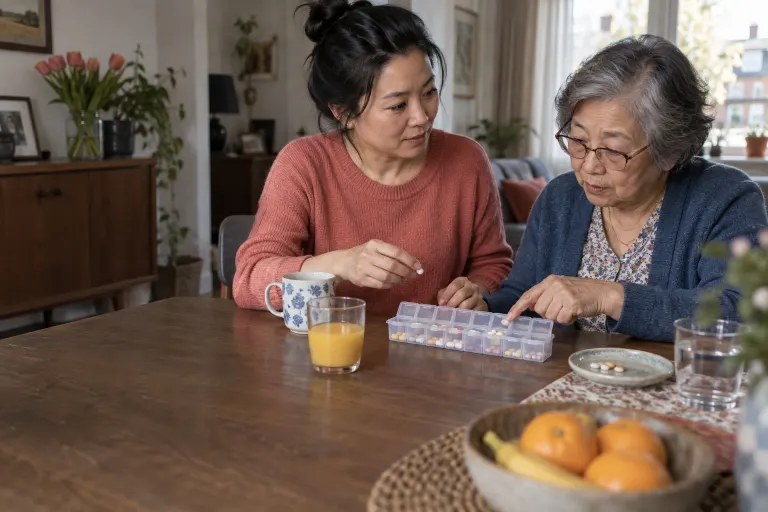
This is how you apply for Wmo support or short-term respite care in Zoetermeer.
Read article
Help choosing the right care law in Zoetermeer, with examples and routes.
Read article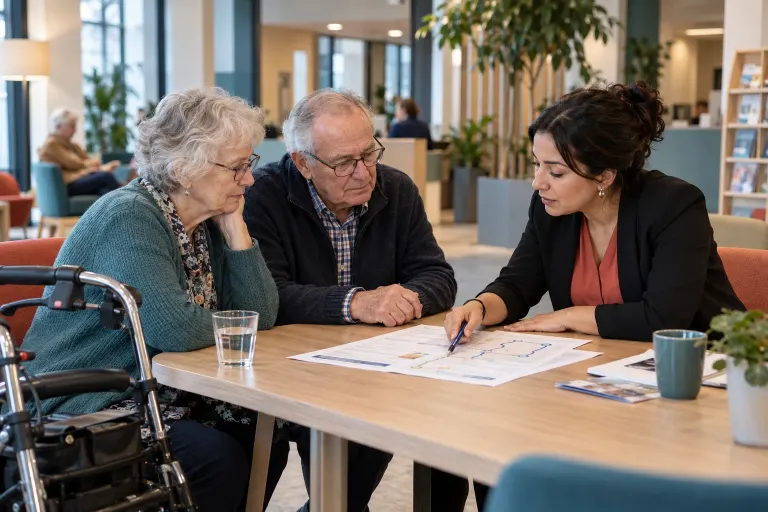
Free help that thinks along with you, can accompany you, and helps you find the right route.
Read article
Caring for someone can raise many questions. Whether it's practical questions, doubts, sharing your worries or simply wanting to tell your story.
Sophie listens and thinks along with you – with understanding for your situation.