
Personal care at home: helping safely as an informal caregiver
What you need to arrange for washing, dressing, and toilet assistance at home.
Read article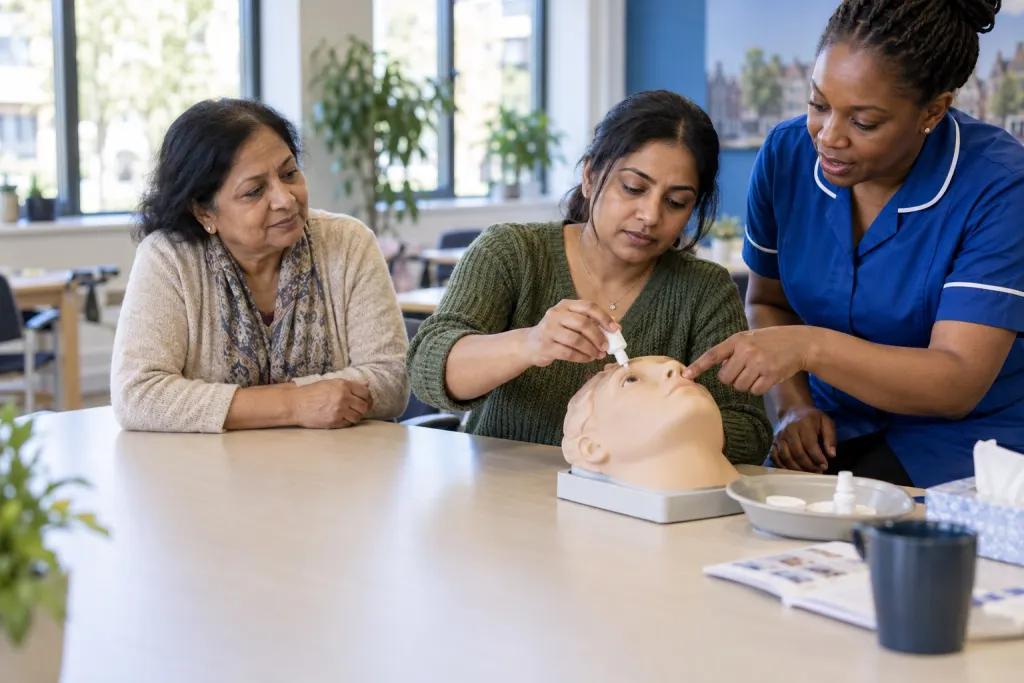
Practical steps for swallowing problems, from posture and pace to seeking help.
When you have swallowing problems at home, it is important to eat and drink calmly and safely. Small adjustments can already make a big difference. This often keeps mealtimes more pleasant and less stressful.
If cooking is no longer possible, a meal service can deliver food to your home. If someone mainly misses company, they may sometimes be able to join a dining point, neighborhood restaurant, or shared meal in a community or residential center. This helps with a practical task and a social moment.
Offerings, delivery days, diet options, and costs vary. Discuss dietary or swallowing questions with an appropriate healthcare provider. A meal service does not assess medical nutritional needs.
If there are immediate concerns about safety or health, professional emergency help is appropriate. If you notice that you are shouting, threatening, grabbing someone hard, locking someone in, or failing to provide care, the limit of safe care has been reached.
First, make sure you and your loved one are safe. In case of immediate danger, call 112. If there is no direct danger, honestly present the situation to Veilig Thuis, your general practitioner, district nurse, or informal care support worker. Veilig Thuis can think along anonymously. Also ask for replacement care or temporary takeover.
In the case of serious but non-urgent concerns about a resident of Zoetermeer, Meldpunt Bezorgd Zoetermeer can make an assessment and see which help is already involved. For medical assessment without immediate life-threatening danger, the general practitioner or out-of-hours GP service may be an option.
Discuss dietary or swallowing questions with an appropriate healthcare provider. A meal service does not assess medical nutritional needs.
Do not wait until a task becomes unsafe. Ask in time for advice about aids, the home, and professional help. An occupational therapist can look at how daily tasks can become less demanding.
Do not lift or move your loved one in a way that damages your body. Nursing or technical care should not automatically be taken over by you. Ask for clear instruction, practice, and backup support. current providers of district nursing in Zoetermeer, an occupational therapist, and independent client support can help.
If it becomes too much for you, discuss it with your general practitioner or seek support from Mantelzorg Zoetermeer. Via Regelhulp on emergency care and urgent respite care, you can read which national route applies to different crisis situations.
In the case of an eating disorder, support for loved ones can help. Choose a quiet moment, preferably not just before, during, or immediately after a meal. Explain concretely what you notice and also ask how your loved one is feeling. If your loved one is open to help, offer to contact your general practitioner together.

What you need to arrange for washing, dressing, and toilet assistance at home.
Read article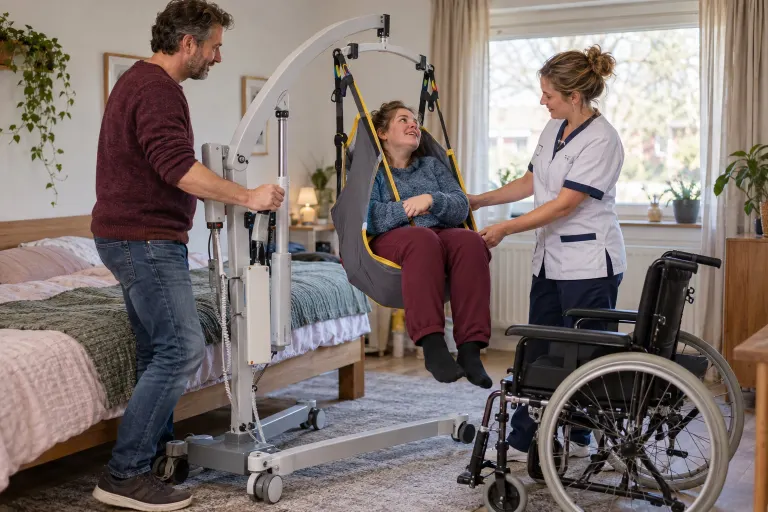
Practical basics, aids, training, and when to ask for help in time.
Read article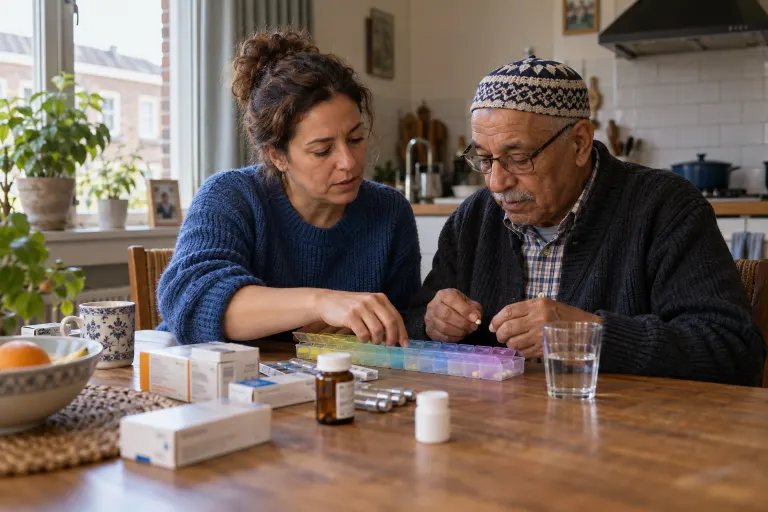
A plan for lists, pharmacy, pill packs, reminders, side effects, and mistakes.
Read article
Caring for someone can raise many questions. Whether it's practical questions, doubts, sharing your worries or simply wanting to tell your story.
Sophie listens and thinks along with you – with understanding for your situation.